October 19, 2026
Healthy plants can transform a garden, brighten an indoor space, and create a more welcoming outdoor environment. However, the condition of a plant when it comes home can influence how well it establishes itself and continues growing. While large retail stores provide convenient access to greenery, specialized plant retailers often offer advantages in plant selection, growing conditions, and individualized guidance. Shopping at plant nurseries can help homeowners find specimens suited to their spaces while receiving more informed recommendations about plant health and care.
Providing More Specialized Plant Care
Plants require different amounts of sunlight, moisture, nutrients, and space depending on their species and stage of growth. Retail environments that sell many unrelated product categories may not always provide the same level of specialized attention to living inventory. Garden-focused businesses typically organize their operations around growing, displaying, and maintaining plants, making horticultural knowledge an important part of the customer experience.
Plant nurseries can offer a more focused environment where staff members understand the needs of different varieties. This knowledge can help them recognize signs of stress, distinguish normal seasonal changes from potential problems, and explain which plants are appropriate for particular settings. When customers receive guidance that accounts for a plant's characteristics, they can make more informed purchasing decisions and select greenery with better prospects for successful establishment.
Maintaining Healthier Growing Conditions
The environment where a plant is kept before purchase can affect its overall condition. Light exposure, temperature, humidity, airflow, and watering practices all influence plant development, and unsuitable conditions can contribute to weakened growth. Large retail spaces may have competing demands that make it challenging to provide every plant with an ideal environment.
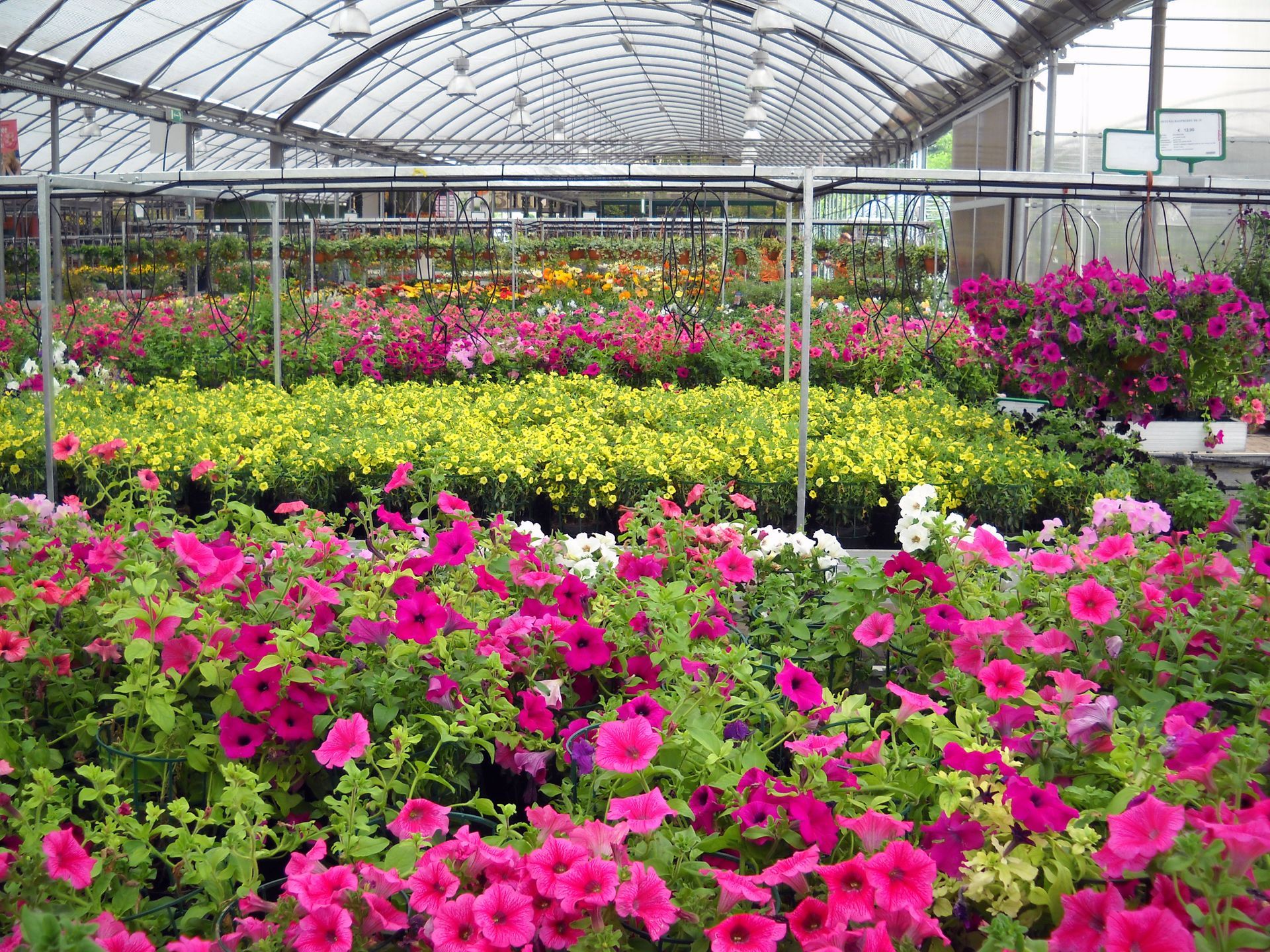
Specialized growers generally pay closer attention to the environmental requirements of their inventory. Plant nurseries may use designated growing areas, greenhouses, and organized watering routines to support different types of vegetation. Although conditions vary between businesses, this horticultural focus can help plants receive more appropriate attention before they reach a customer's home or garden.
Offering Stronger Plant Selection
A plant's health is only one consideration when choosing greenery. Homeowners also need varieties that suit their climate, available space, sunlight conditions, and landscaping goals. Broad retail selections may emphasize widely recognized varieties, while specialized businesses can offer a more diverse range of annuals, perennials, shrubs, trees, vegetables, herbs, and ornamental plants.
Plant nurseries can help customers compare varieties according to their growing characteristics and intended uses. This makes it easier to identify plants that fit a particular landscape design or indoor environment instead of choosing a specimen based solely on its appearance. A suitable selection can also reduce the likelihood of purchasing a plant that struggles because its environmental needs do not match the location where it will grow.
Identifying Early Signs of Plant Stress
Plants may appear attractive at first glance while showing subtle signs of stress that are easier to recognize with horticultural knowledge. Discolored leaves, weak stems, damaged foliage, unusual growth patterns, and visible pests can indicate that a plant needs closer evaluation. Recognizing these signs before a purchase can help customers avoid bringing home plants that require unexpected attention.
At plant nurseries, employees who regularly work with living inventory may be better positioned to discuss a plant's condition and growing history. They can help customers distinguish healthy new growth from concerning symptoms and explain whether a particular specimen appears suitable for purchase. This does not mean every plant from a specialized retailer will be flawless, but knowledgeable evaluation can support a more informed buying experience.
Matching Plants to Local Conditions
Regional climate has a significant influence on which plants are likely to thrive outdoors. Temperature extremes, seasonal rainfall, soil characteristics, humidity, and growing-season length can affect a plant's ability to establish and survive. Selecting varieties suited to local conditions can make a meaningful difference in long-term garden performance.
Plant nurseries familiar with their service area can often provide recommendations based on regional growing conditions. Their staff may help customers compare cold tolerance, sun requirements, mature size, and seasonal growth patterns before selecting plants for a landscape. This localized guidance can make it easier to choose varieties that complement the property while reducing the risk of investing in plants poorly suited to the environment.
Receiving More Individualized Guidance
Every garden and indoor plant collection presents different challenges. A shaded yard requires different plant choices than a sunny border, while containers on a patio may need varieties that tolerate limited root space. General product labels can provide useful information, but they may not address the specific needs of an individual property.
Specialized plant retailers can offer conversations that connect plant characteristics with a customer's goals. Staff members may explain which varieties suit a landscape plan, what mature growth to expect, and how seasonal changes affect plant performance. This individualized guidance can help customers narrow their choices and understand the conditions necessary to support healthy growth after bringing their selections home.
Supporting Better Seasonal Plant Choices
Plants change throughout the year, and successful purchasing often depends on choosing varieties at appropriate points in their growing cycles. Some flowers are suited to cooler spring temperatures, while other varieties perform better during warmer months. Trees, shrubs, and perennials also have seasonal considerations that can influence establishment and future development.
Plant nurseries can help customers understand which options are appropriate for the current season and their intended planting schedule. Their staff can explain how local weather patterns affect availability, growth, and establishment, helping customers coordinate purchases with landscaping plans. Seasonal guidance can also make it easier to choose plants that provide color, texture, or structure at different times of the year.
Understanding Fertilization and Plant Nutrition
Nutritional needs vary according to plant species, growing conditions, and stage of development. Applying fertilizer without considering those differences may be unnecessary or even detrimental, since excessive nutrients can damage roots or contribute to unwanted growth. Understanding a plant's requirements is therefore an important part of maintaining its condition after purchase.
According to ZipDo, most houseplants generally need fertilizer only during the spring and summer growing season, with applications typically spaced two to four weeks apart. Actual needs depend on the plant variety, fertilizer formulation, and growing environment. Staff at specialized plant retailers can help customers understand these differences and select appropriate products for their plants rather than assuming every variety requires the same feeding schedule.
Choosing Plants With Long-Term Potential
A healthy plant should be evaluated according to more than its immediate appearance. Mature size, growth rate, root development, environmental requirements, and compatibility with nearby plants can all affect how successfully it fits into a garden or interior space. Considering these factors before purchase can help customers choose greenery that continues serving its intended purpose as it grows.
Plant nurseries can provide information about a specimen's expected development and how it may fit into a broader planting plan. This can be particularly helpful when selecting trees, shrubs, or perennials that will remain part of a landscape for years. By considering long-term growth alongside current condition, customers can make selections that support a more cohesive and manageable outdoor environment.
Selecting healthy plants involves more than finding attractive flowers or appealing foliage. Growing conditions, variety selection, regional suitability, and knowledgeable guidance can all influence how well plants perform after purchase. Specialized retailers provide an opportunity to explore these factors with people who understand plant care and can help match selections to individual needs.
At Reiff's Nursery & Greenhouses, we help customers explore plant options for their homes, gardens, and landscaping projects. Our team can help you compare varieties, consider growing conditions, and find plants suited to your goals and environment. Visit Reiff's Nursery & Greenhouses to discuss your planting plans and discover how our selection and personalized guidance can help you choose healthy plants for your space.